We live in an economy that has systematically destroyed the conditions for trust, and then charges us for the workarounds
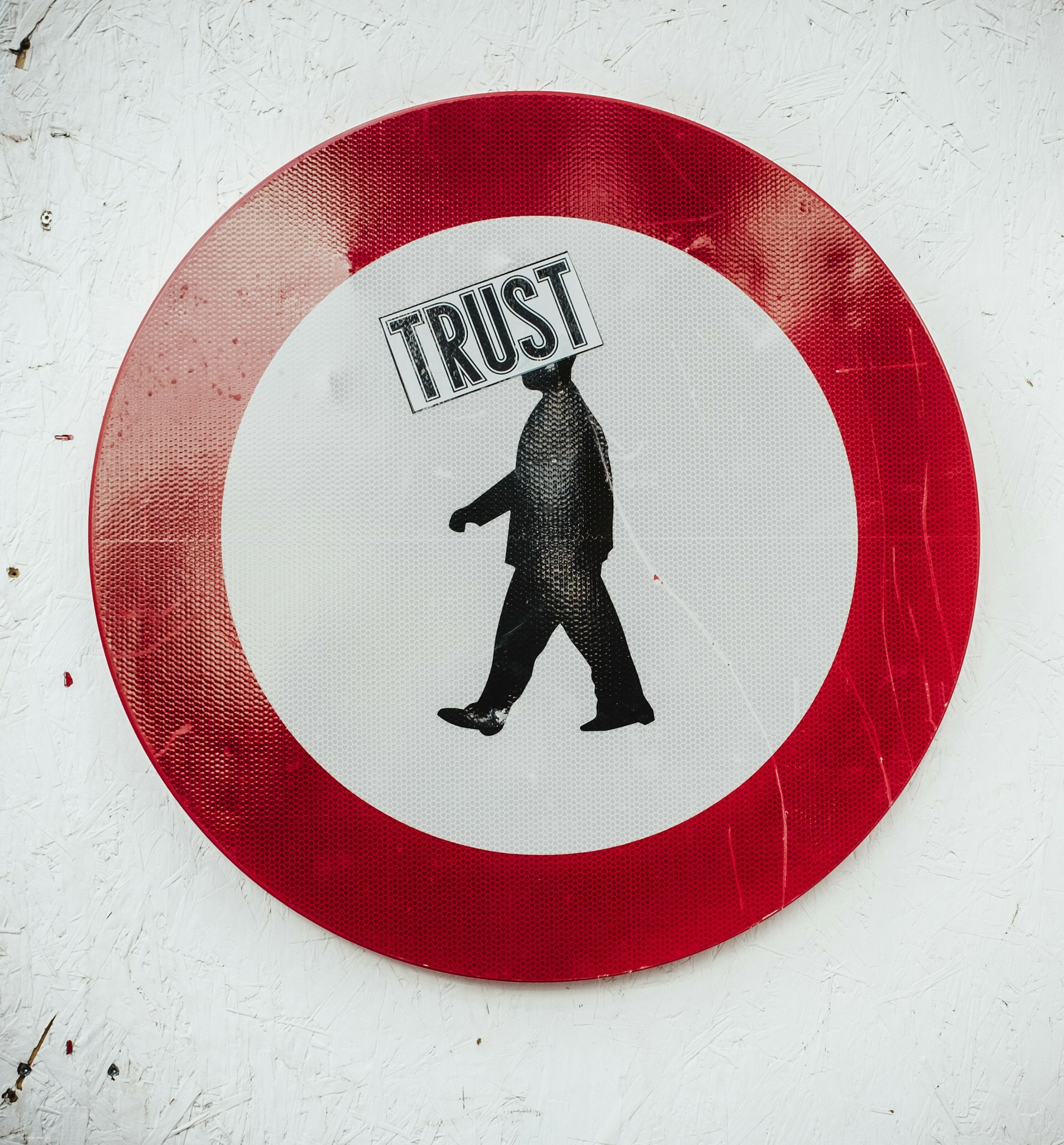
This is from an economics blog, so focuses on money, but I think it’s equally true of the kind of politics we’ve got at the moment. When people don’t trust each other, then they look to so-called “strong men” to save them from a non-existent, manufactured threat.
Think about what a low-trust economy actually looks like in practice. Everything gets expensive. Contracts get thicker. Lawyers get richer. Every transaction requires documentation, verification, third-party guarantees.
The friction is very much structural. It’s a tax on everything, paid in time, money, and cognitive bandwidth.
Last week, I wrote about 2025 as the year the grift economy went mainstream — surveillance pricing, prediction markets, AI slop, fraud at industrial scale. All of that is real. But it’s downstream of something deeper: we live in an economy that has systematically destroyed the conditions for trust, and then charges us for the workarounds.
[…]
[C]onsider the job market. Fake job listings — “ghost jobs“ that companies post with no intention of filling — have become so pervasive that they distort labor market data and waste millions of hours of applicant time.
Why do they exist? Because companies discovered that the appearance of hiring is useful for investor relations, for internal politics, for building a candidate pipeline. The cost is externalized onto the people who spend hours tailoring resumes and sitting through interviews for positions that were never real.
When the system rewards dishonesty, dishonesty is what you get.
[…]
When institutions and corporations behave in predatory ways, individuals start to adopt the same logic. If the system is a grift, then grifting becomes rational. If everyone is trying to extract value from you, why wouldn’t you try to extract value from them?
The explosion of scams, side-hustle culture repackaged as “courses” that teach you to scam others, dropshipping empires built on misleading ads, influencer marketing that can’t be distinguished from real advice.
[…]
The scam economy is what a low-trust system produces. When people lose faith that playing by the rules leads to fair outcomes, the rules start to feel optional. And once that happens, trust erodes further, which makes the rules feel even more optional, which erodes trust further still. It’s a death spiral.
Source: Your Brain on Money
Image: Bernard Hermant