
What do we mean when we talk about pollution and toxicity in online spaces?
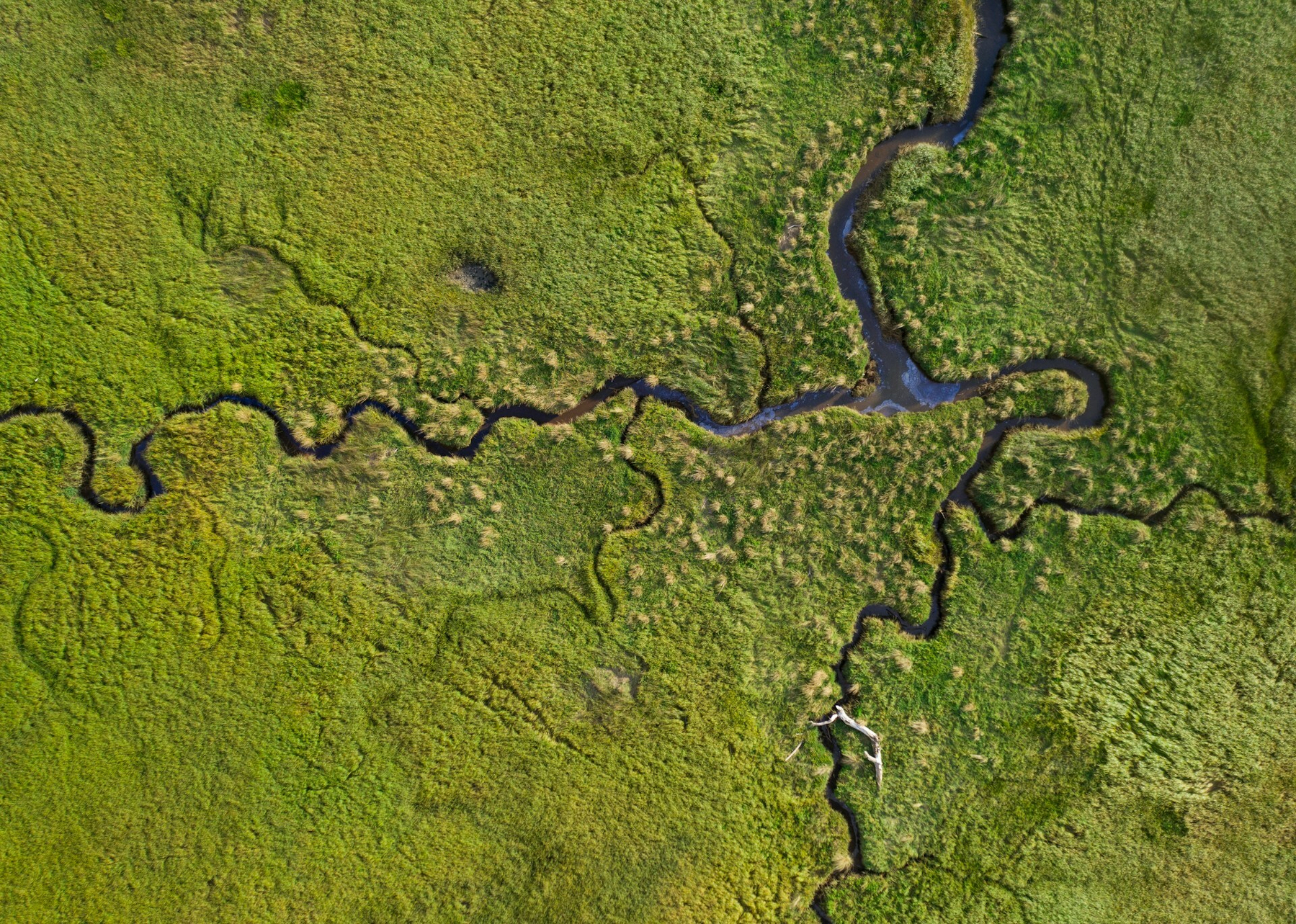
As someone who has done a lot of thinking about community spaces over the years, I like this investigation into what we mean when we use environmental analogies for online communities. It seems like it’s the start of a research project, and there’s a call for people to get in touch with the author.
The metaphor of online communities that “have become toxic” or that are “being polluted” in different ways is a common one. But what do we mean when we talk about pollution and toxicity in online spaces; and what can we learn from the environmental sciences and natural ecosystems to improve things with and for communities?
[…]
Websites solely based around machine generated content are proliferating, polluting both search engines and journalism, crowding our human-generated, high-quality journalism. The analogy of pollution that many of these communities and maintainers refer to seems like an apt one. It even predates the launch of generative AI systems that currently are the focus of this “digital pollution”: The related environmental concept of toxicity is a staple when discussing how people interact in online communities, references to which go back to at least the early 2000s. And more recently, people have argued that social media companies themselves should be viewed as potential polluters of society and how our information is being polluted.
[…]
[T]he goal of the “digital pollution” framing is not to call individual community participants or types of online cultures per se as toxic or polluted. Instead, it can serve to understand how online ecosystems can suffer, despite lots of well-intentioned and well-meaning interactions. Understanding these pollution dynamics is not just of academic interest, it might also help with modeling online interactions. Which in turn can help design interventions that have the potential to support moderators and improve online communities.
If we look at “pollution” more closely, in which ways do different factors in “commons pollution” mirror environmental pollution? Firstly, both environmental pollution and digital pollution can come in different shapes and forms. If we just think of water pollution, we have point source pollution, in which a single, identifiable source such as a factory discharges harmful materials into bodies of water. Online, we can find similar “point sources” in targeted misinformation campaigns, run by humans or bots.
Source: Citizens and Tech Lab
Image: Dan Meyers