
They have no idea what’s happening now.
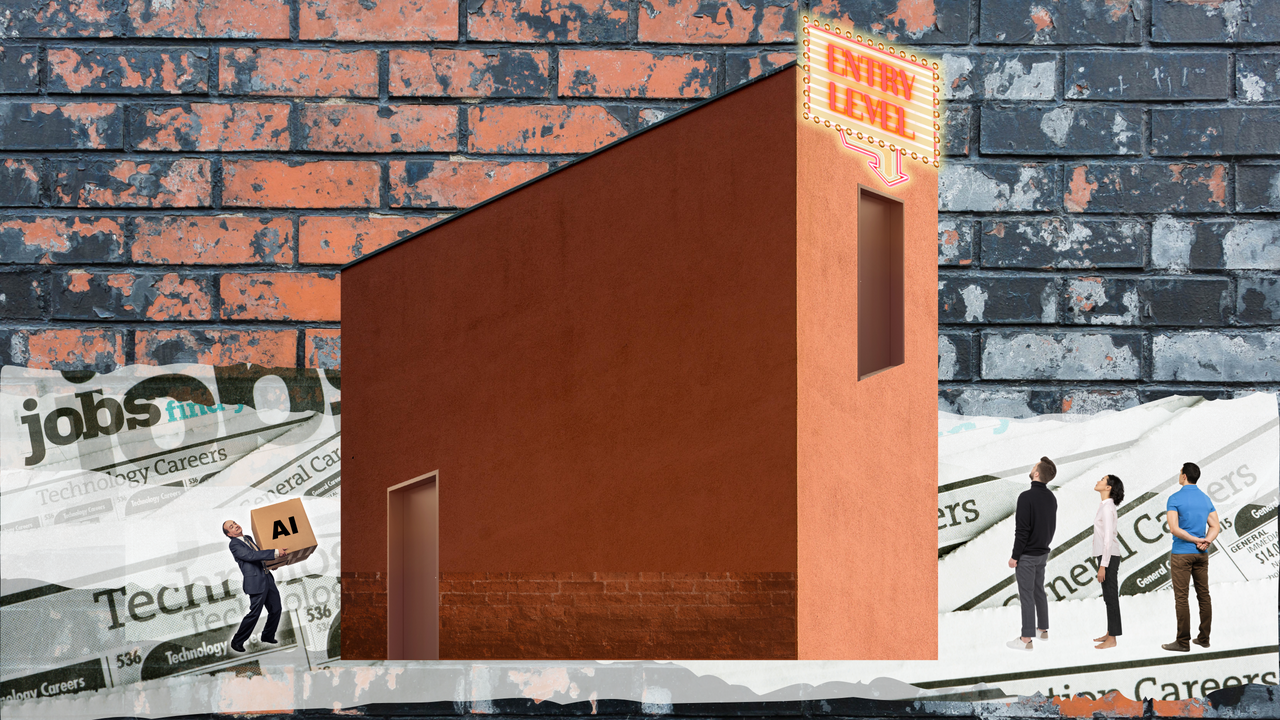
I was talking with Laura about how full-time jobs are pretty much over as a construct. There aren’t as many as there used to be, particularly for knowledge workers, and there’s plenty of people (like us!) who wouldn’t want one in any case.
This time last year I was laughing at the prediction that AI would be able to replace developers. Now I’m vibe coding actually useful software from scratch. AGI is kinda already here. What does that mean in practice? Probably that the world as we know it is slowly going to disappear.
Most people met AI in late 2022 or something, poked ChatGPT once like it was a digital fortune cookie, got a mediocre haiku about their cat, and decided: ah yes, cute toy, overhyped, wake me when it’s Skynet. Then they went back to their inbox rituals.
They have no idea what’s happening now.
They haven’t seen the latest models that quietly chew through documents, write code, design websites, summarize legal contracts, and generate decent strategy decks faster than a middle manager can clear their throat.
Claude just released a “coworker”, which sometime next year will become your new colleague, and then after that year, your replacement.
[…]
We can automate away huge chunks of the drudgery that used to be biologically unavoidable.
And we’re still out here proudly defending the 40-hour week like it’s some sacred law of physics. Still tying healthcare, housing, and dignity to whether you can convince someone that your job should exist for another quarter.
[…]
So yes, we need a transition, and it will be messy.
We will need new rhythms for days and weeks that aren’t defined by clocking in.
We will need new institutions of community—not offices, but workshops, labs, studios, clubs, care centers, gardens, research guilds, whatever—places where humans gather to do things that matter without a boss breathing down their neck for quarterly results.
We will need new ways to recognize status: not “job title and salary,” but contribution, curiosity, care, creativity.
We will need economic architecture: universal basic income, or even better, universal basic services (housing, healthcare, education, mobility) that are not held hostage by employers.
And we’ll need therapy. A lot of it.
Source: The Pavement
Image: Janet Turra & Digit