
Bottom-up (systems) thinking
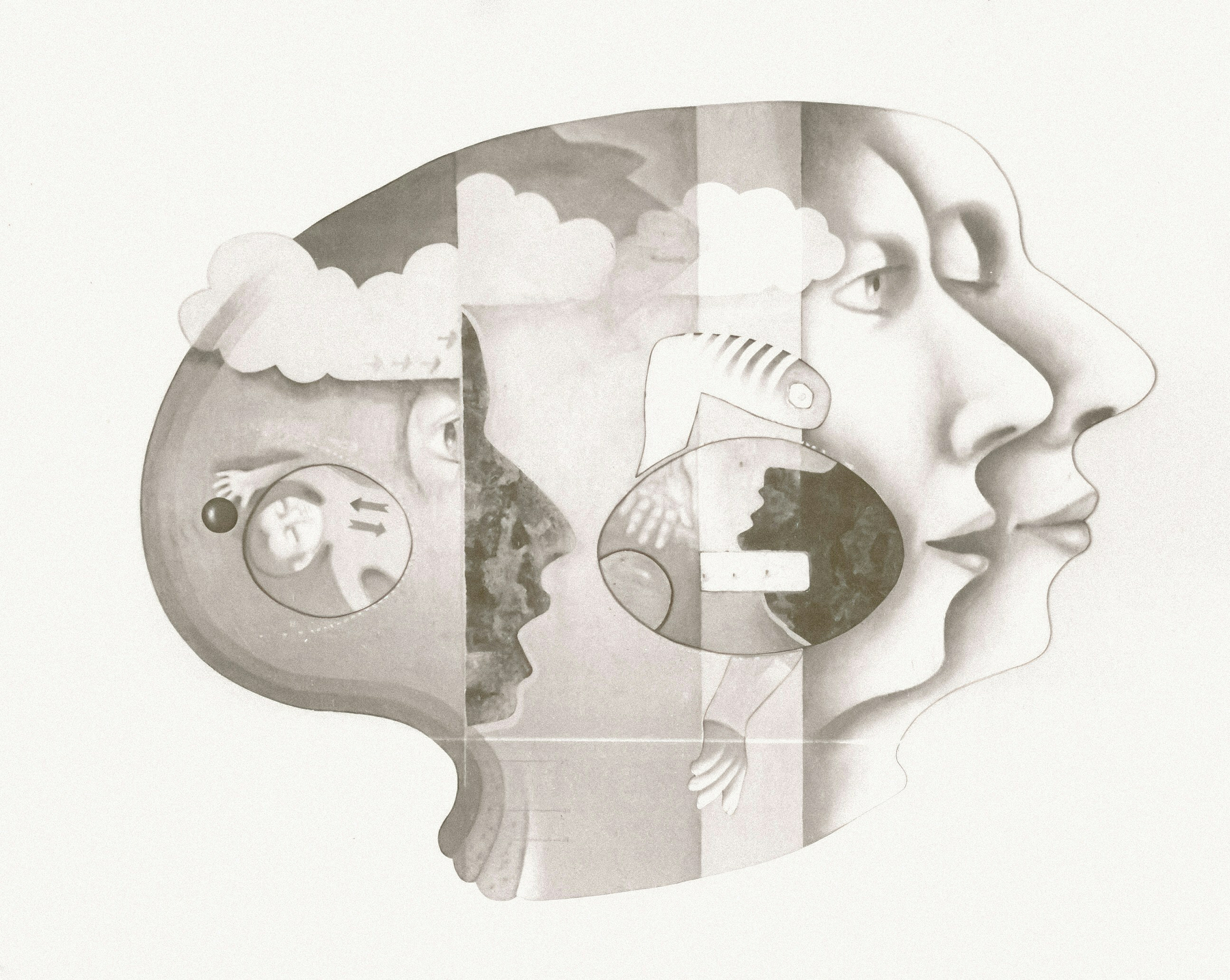
I have no idea if I’m neurodivergent. I don’t think I’ve got ADHD, and all men are probably on the spectrum somewhere. Who’d want to be neuro_typical_ anyway?
Wwhat I do know i that the neurodiverse people I’ve worked with in my career have been pretty awesome. This post outlines some reasons that neurodivergent brains build better systems. It’s worth a read.
Trait 1: Systems Thinking
Neurotypical people are top-down thinkers. They have a hypothesis first then obtain data to support or disprove the hypothesis.
Neurodivergent people are bottom-up thinkers. They begin collecting relevant data first then form their hypothesis or “big picture” later.
[…]
Trait 2: Hyperfocus and Flow
We live in a distraction economy. Nearly everything in the modern world seeks to rob our focus and divide it among a million shallow things.
Neurodivergent people don’t focus, they obsess. This is a rare skill in these times. I have met neurodivergent people who have created their own programming language and composed and recorded full albums worth of music in just a week.
[…]
Trait 3: Automation Instinct
Manual repetitive process can be extremely disruptive and frustrating for neurodivergent employees.
Imagine that you have the power to type characters into a machine that then does things automatically for you 24/7 at a scale of millions, billions, or just about whatever scale you ask it to. You have that power, and then someone tells you to manually enter numbers that you fetch from one system into a spreadsheet in another system. Once? Fine, there’s always going to be some grunt work. If this becomes the norm though, neurodivergent employees will resent the work.
So what works for neurodivergent workers? The post has a list:
- Remote-first
- Cultural discipline
- Neurodivergent representation
Source: Dr. Josh C. Simmons
Image: Wiki Sinaloa